Column · @homemoistureguide
Why Shower Steam Fuels Mold Growth and What to Do About It
Every time you take a hot shower, you release a plume of steam into the bathroom. That steam condenses on cool surfaces, walls, ceilings, mirrors, and even inside exhaust fans. Over time, this moisture creates an environment where mold can take hold and spread. Understanding how this happens is the first step in effective bathroom mold remediation.
Mold needs three things to grow: moisture, warmth, and a food source. Bathrooms provide all three. The food source is often soap scum, dust, or even the paper facing on drywall. The warmth is the ambient temperature of the room. And the moisture, the most critical factor, comes directly from shower steam. When you understand this chain of events, you can target the root cause rather than just scrubbing visible mold off surfaces.
How Shower Steam Creates Persistent Moisture
Steam is water vapor. When it hits a cooler surface, it condenses back into liquid water. In a bathroom, this condensation collects on tiles, grout, paint, and fixtures. If the room does not dry quickly after a shower, that water sits for hours. Even a small amount of lingering moisture is enough to support mold growth. Over weeks and months, the mold colonizes porous surfaces like grout, caulk, and drywall.
The problem is not just the water you can see. Steam penetrates into gaps, behind tiles, and into the edges of fixtures. It also gets absorbed by materials like drywall and wood. This hidden moisture creates pockets of dampness that are hard to detect but perfect for mold. This is why bathroom mold remediation often involves addressing hidden moisture, not just cleaning visible growth.
Condensation on Cool Surfaces
The temperature difference between the steam and the surface matters. In winter, walls and windows are colder, so condensation forms faster. But even in summer, a tile wall that is cooler than the steam will collect water. The surfaces that stay damp longest are the ones that get little airflow: corners, behind the toilet, and the ceiling above the shower. These areas become chronic mold hotspots.
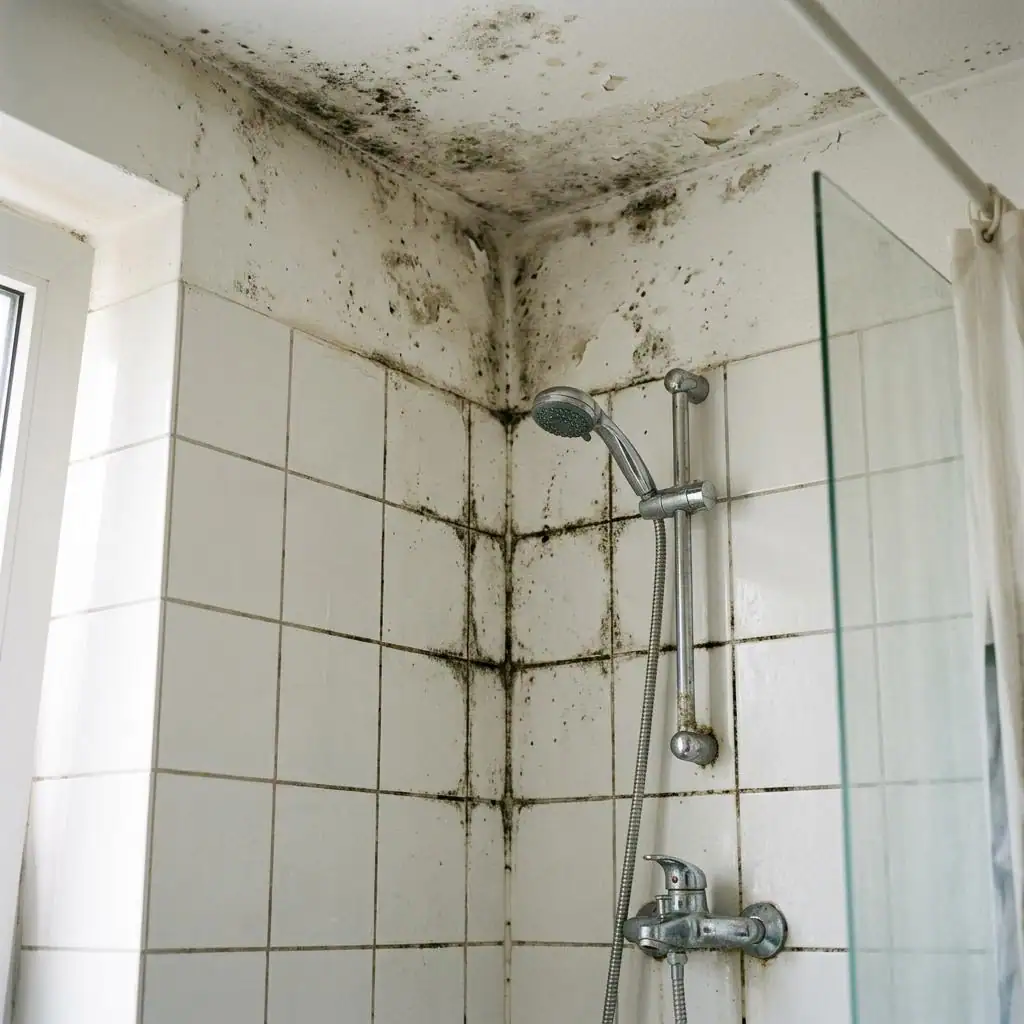
One way to reduce condensation is to keep the bathroom warm during and after a shower. A space heater or radiant heat panel can raise surface temperatures enough to slow condensation. But this alone is rarely enough. The real solution is to remove the moisture from the air before it can settle.
Ventilation: The First Line of Defense
An exhaust fan that vents to the outdoors is the most effective tool for removing steam. The fan should run during the shower and for at least twenty minutes after. Many people turn the fan off when they leave the room, but that is exactly when the steam is still condensing. Leaving it on longer gives the surfaces a chance to dry. If the fan is not powerful enough or does not vent outside, it simply recirculates moist air.
Windows also help. If you have a bathroom window, open it after a shower to let steam escape. Even a small crack can help, especially on dry days. But in many bathrooms, especially in apartments or older homes, natural ventilation is limited. That is where mechanical ventilation becomes essential.
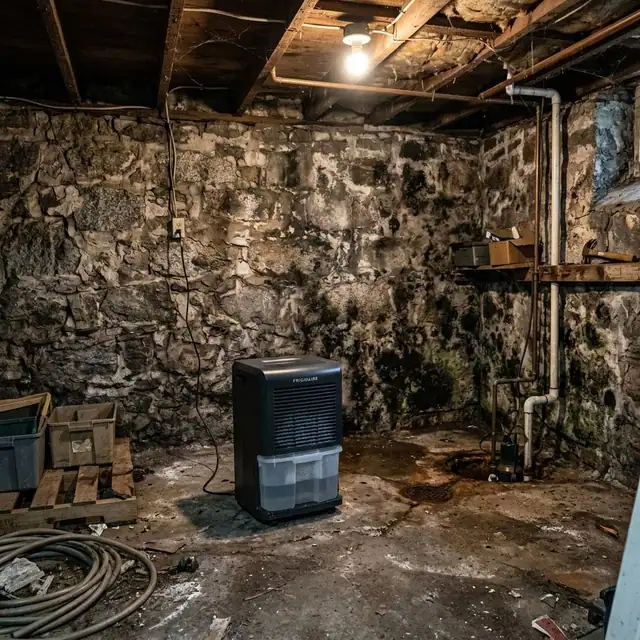
For bathrooms without adequate ventilation, a dehumidifier can help. It pulls moisture from the air before it can condense. This is a practical addition for bathrooms that get heavy use or have persistent humidity problems. The combination of a good exhaust fan and a dehumidifier often stops mold before it starts.
Hidden Moisture and Damaged Materials
Even with good ventilation, some moisture will always get behind surfaces. Grout is not waterproof; it is water-resistant at best. Over time, water seeps through grout and into the substrate. If the drywall or cement board behind the tile gets wet repeatedly, it can grow mold on the hidden side. The first sign is often a musty smell or a dark stain on the grout.
Caulking around tubs, sinks, and shower pans is another weak point. Old, cracked, or missing caulk allows water to get behind fixtures. Once the water is trapped, it creates a perfect breeding ground. Bathroom mold remediation must include inspecting and replacing caulk and grout where needed. Simply cleaning the surface does not fix the underlying problem.
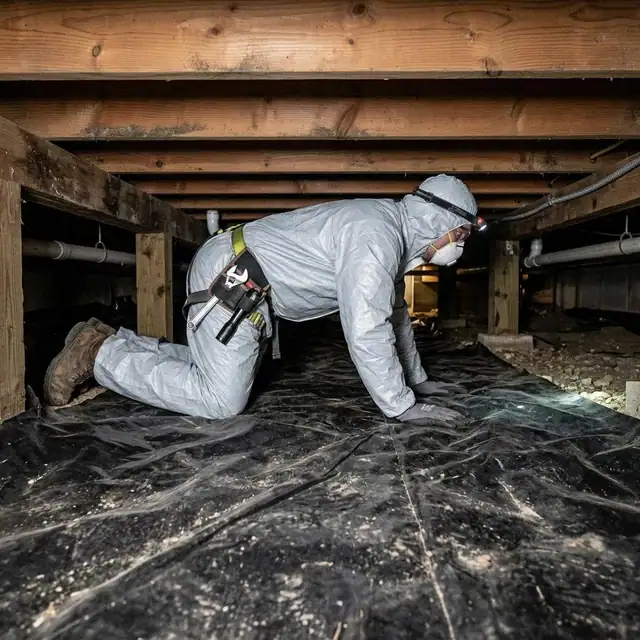
Sometimes the damage is structural. If a leak behind the wall has been present for a long time, the wood studs or subfloor may be affected. In those cases, remediation involves removing and replacing the damaged materials. This is not a job for surface cleaners alone. It requires addressing the source of moisture and the damaged materials together.
The Role of Daily Habits
Simple changes in how you use the bathroom can reduce the mold load. After a shower, use a squeegee on tiles and glass doors. This removes the standing water where mold would otherwise grow. Hang wet towels and bath mats to dry outside the bathroom if possible. Even a small improvement in drying time can make a big difference over months.
Another habit to consider is leaving the bathroom door open after a shower. This allows air to circulate and helps the room dry faster. However, if the rest of the home is humid, this may not help much. In humid climates, a closed door with a running exhaust fan is better.
It is also worth checking the bathroom for hidden leaks. A dripping pipe or a loose toilet seal can add moisture continuously. A leak that you barely notice can keep a corner damp for days. Fixing leaks is a core part of bathroom mold remediation. Without fixing the moisture source, no amount of cleaning will stop mold from returning.
When Cleaning Is Not Enough
Surface cleaning removes visible mold, but it does not kill the roots. Mold spores are microscopic, and the hyphae (the root-like structures) can penetrate porous surfaces. Bleach and other cleaners may kill surface mold, but the roots remain. Over time, the mold regrows from those roots. This is why bathrooms that are cleaned regularly still develop mold in the same spots.
Professional bathroom mold remediation goes deeper. It involves removing the affected materials, treating the area with antimicrobial agents, and addressing the moisture problem. For example, a team like Mold Removal Boston Pros will assess the bathroom for hidden moisture, damaged materials, and ventilation issues. They do not just clean; they identify and fix the conditions that allow mold to thrive. This is the difference between a temporary fix and a lasting solution.
If you are dealing with persistent mold in your bathroom, it is worth considering a professional assessment. A service like Mold Removal Boston Pros can evaluate your specific situation. They will look at the moisture sources, the ventilation, and the condition of the materials. Their approach is thorough because they understand that surface mold is just a symptom of a deeper moisture problem.
For more information on bathroom mold remediation, visit moldremovalboston.org. The site offers insights into the process and what to expect from a professional remediation service. It is a good resource for understanding the scope of work involved.
Prevention as the Goal
The best approach to bathroom mold is prevention. That means controlling moisture at every stage. Run the exhaust fan. Wipe down surfaces. Fix leaks promptly. Improve ventilation where possible. Use mold-resistant paint and grout. These steps reduce the conditions that mold needs to grow.
But even with the best habits, some bathrooms are prone to mold because of their design or location. In those cases, professional bathroom mold remediation is the most effective way to restore a healthy environment. It is an investment in the longevity of your bathroom and in your well-being. Mold is not just an eyesore; it can affect indoor air quality and trigger allergies or respiratory issues. Addressing it properly is a matter of health as much as maintenance.
Remember that mold grows because of moisture. If you remove the moisture, you remove the problem. Shower steam is a major source of that moisture, but it is one you can control. With the right habits and, when needed, professional help, you can keep your bathroom mold-free.